Top 5 Handyman Tips for DIY Enthusiasts
- theplanhandyman
- Dec 30, 2025
- 4 min read
DIY projects can be incredibly rewarding, allowing you to personalize your space and save money. However, without the right knowledge and skills, these projects can quickly turn into frustrating experiences. Whether you are a seasoned DIY enthusiast or just starting, having a few handyman tips up your sleeve can make all the difference. Here are the top five handyman tips to help you tackle your next project with confidence.
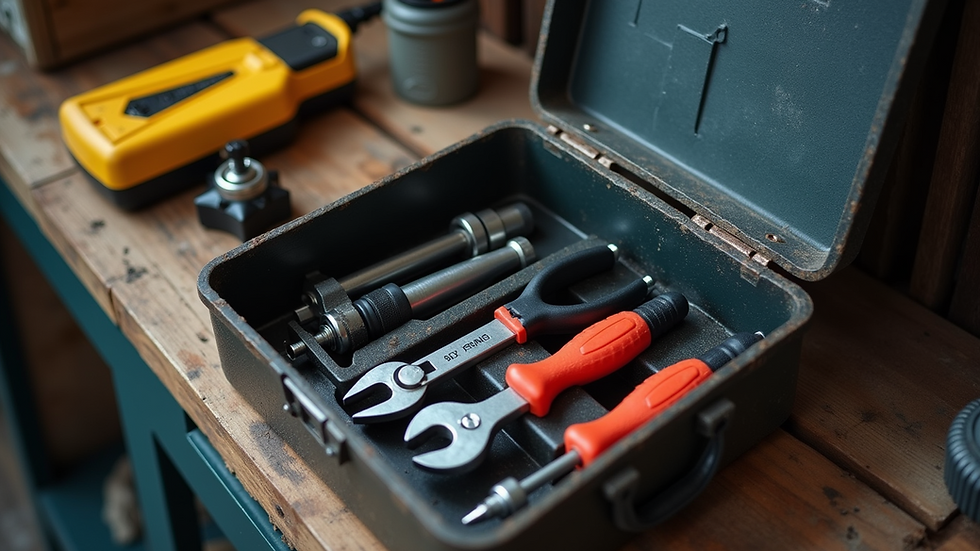
1. Invest in Quality Tools
One of the most important aspects of any DIY project is having the right tools. While it might be tempting to buy the cheapest options available, investing in quality tools can save you time and frustration in the long run. Here are some essential tools every DIY enthusiast should consider:
Cordless Drill: A versatile tool that can handle various tasks, from drilling holes to driving screws.
Level: Ensures that your shelves, frames, and other installations are perfectly straight.
Measuring Tape: Accurate measurements are crucial for any project. A good measuring tape can help prevent costly mistakes.
Utility Knife: Ideal for cutting various materials, from cardboard to drywall.
Safety Gear: Don’t forget to protect yourself with safety glasses, gloves, and a dust mask.
By investing in quality tools, you will not only improve the quality of your work but also enjoy the process more.
2. Plan Your Projects Thoroughly
Before diving into any DIY project, take the time to plan it out. A well-thought-out plan can help you avoid common pitfalls and ensure that you have everything you need. Here’s how to create an effective project plan:
Define Your Goals: What do you want to achieve? Be specific about the outcome you desire.
Gather Inspiration: Look for ideas online or in magazines. Create a mood board to visualize your project.
Create a Budget: Determine how much you are willing to spend and stick to it. Include costs for materials, tools, and any professional help you might need.
Make a Timeline: Set realistic deadlines for each phase of your project. This will help you stay on track and avoid last-minute rushes.
By taking the time to plan, you will set yourself up for success and reduce the likelihood of encountering unexpected challenges.
3. Learn Basic Repair Skills
As a DIY enthusiast, having a few basic repair skills can be incredibly beneficial. Not only will it save you money on hiring professionals, but it will also give you the confidence to tackle more complex projects. Here are some essential repair skills to learn:
Fixing Leaky Faucets: A simple task that can save you money on water bills. Most leaks can be fixed by replacing washers or O-rings.
Patching Drywall: Learning how to patch small holes in drywall can make a big difference in the appearance of your walls.
Changing Light Fixtures: This is a straightforward task that can dramatically change the look of a room.
Basic Plumbing: Understanding how to unclog drains or replace a toilet can save you time and money.
You can find many online tutorials and videos that can guide you through these basic skills. The more you learn, the more confident you will become in your DIY abilities.
4. Safety First
Safety should always be your top priority when working on DIY projects. Here are some essential safety tips to keep in mind:
Wear Protective Gear: Always wear safety glasses, gloves, and a dust mask when necessary.
Keep Your Workspace Clean: A cluttered workspace can lead to accidents. Keep tools organized and materials stored properly.
Use Tools Correctly: Familiarize yourself with the proper use of each tool. Read the manuals if necessary.
Be Aware of Your Surroundings: Make sure your workspace is well-lit and free of hazards. Be cautious of electrical outlets and sharp objects.
By prioritizing safety, you can prevent accidents and ensure a smooth DIY experience.
5. Don’t Be Afraid to Ask for Help
Even the most experienced DIY enthusiasts sometimes need assistance. Don’t hesitate to reach out to friends, family, or professionals if you encounter a challenge that feels overwhelming. Here are some ways to seek help:
Join Online Forums: Many DIY communities exist online where you can ask questions and share experiences.
Take a Class: Local hardware stores or community centers often offer workshops on various DIY skills.
Hire a Professional for Complex Tasks: If a project is beyond your skill level, it’s okay to hire a professional. This can save you time and ensure the job is done correctly.
Remember, asking for help is a sign of strength, not weakness. It can lead to valuable learning experiences and better results.
Conclusion
Embarking on DIY projects can be a fulfilling way to enhance your living space and develop new skills. By following these top five handyman tips—investing in quality tools, planning thoroughly, learning basic repair skills, prioritizing safety, and seeking help when needed—you can tackle any project with confidence.
So, gather your tools, plan your next project, and enjoy the satisfaction that comes from creating something with your own hands. Happy DIY-ing!


Comments